
June 18, 2026

Healing Ville

Home Advice (page 6)

Advice

How To Take Care Of Your Dental Implants

By superadmin
June 24, 2016
in :  Advice
Comments Off on How To Take Care Of Your Dental Implants
747

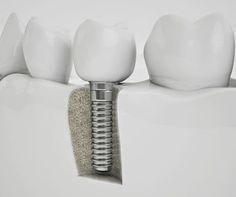
The costs associated with getting dental implants, or tooth implants are quite high. However, the benefits of dental implants make the cost worthwhile. Neither dentures nor tooth implants can develop cavities. However, they can suffer wear and tear. That is why it is extremely important for you to take care of your dental implants. Below is a list of things you can do to care for your tooth implants:

Floss

Flossing helps remove stubborn plaque. It can also prevent you from developing gum disease. In order for your tooth implants to last a long time, you will need to keep your gums healthy. Make sure that you get above and below the gumline when you are flossing your teeth.

Many people find it challenging to use string floss if they have dental implants. That is why you may want to consider using a floss pick. Studies have shown that floss picks are twice as effective as string floss for patients who wear tooth implants.

Brush Your Teeth

You will need to brush your teeth twice a day just like your natural teeth. There are tools that can make it easier for you to brush your tooth implants. You may want to consider using interproximal brushes. They are designed to clean in places that one may have difficulty reaching.

Fluoride is found in most types of toothpaste. Fluoride is designed to strengthen your natural teeth, but it will not hurt your implants. However, there are certain types of toothpaste you will need to avoid using if you have tooth implants. Any type of toothpaste that contains abrasive ingredients, such as stain removers and baking soda, should not be used.

Mouthwash

You can use mouthwash if you have tooth implants. However, it is a good idea to select one that is alcohol-free. Mouthwashes that have alcohol can cause mouth dryness.

See Your Dentist Regularly

Regular examinations and professional cleanings are important for everyone. Your dentist will advise you on how many times you need to get a cleaning and examination each year. However, dental visits are typically recommended every three to six months.

Your dentist will check to make sure that your tooth implants do not have any problems. They can also give you tips and information on things you can do to care for your implants. Furthermore, your dentist or dental hygienist will use special tools to clean around your implants.


Read More

Types Of Weight Loss Surgery

By superadmin
May 12, 2016
in :  Advice
Comments Off on Types Of Weight Loss Surgery
715

Obesity rates in Canada are on the rise. It’s estimated that 24-25% of residents can be considered obese. Weight loss procedures such as lap band surgery may be a good option if you are an adult with a weight-related medical condition and willing to commit to lifestyle changes.

Types of Weight Loss Surgery

Gastric bypass
After surgery only a small part of the stomach (called the “pouch”) remains. It can’t hold much food, so it forces you to eat less. This surgery is done through a series of small incisions guided by a camera (laparoscope). Doctors can also perfrom a mini-gastric bypass, which is a less radical change to the stomach.

Adjustable gastric band
Also called lap band surgery, this involves putting a small band around the top portion of the stomach. The band has a balloon inside which controls how tight or loose the band is. Having this band in place limits how much you can eat.

Gastric sleeve
This removes most of the stomach, leaving only the narrow section of the upper stomach, called a gastric sleeve. This not only limits food intake, but may curb the hormone ghrelin, which stimulates appetite.

Duodenal switch
This is a more complex procedure that removes most of the stomach and uses a gastric sleeve to bypass much of the small intestine. This limits how much you can eat, but also reduces your body’s chances of absorbing nutrients.

Electric implant
This uses an electrical pulse which stimulates the nervous system between the stomach and brain, known as the vagus nerve. This nerve tells the brain when the stomach is full. The device is operated with a remote control.

Gastric balloon
Perhaps the least invasive surgery is bariatric technology – inserting a saline-filled silicon balloon into the stomach. It creates a feeling of fullness causing the patient to eat less. After six months and satisfactory progress, it is deflated and removed.

After Surgery
Most people begin losing weight almost immediately, and continue to do so for up to 24 months. After that, many will start to regain lost body fat, but few ever reach the weight that prompted the surgery. Medical conditions related to obesity typically improve. Some, such as diabetes, can improve quickly.

Risks
Side effects often include nausea, bloating, diarrhea, gas, dizziness, or excessive sweating as the body adjusts.

Serious consequences can include internal bleeding, infection, blood clots, and higher risk of suicide. However these effects are rare. Gallstones can form as a result of rapid weight loss. Rapid weight loss and nutritional issues can harm a developing baby, so most women are advised not to get pregnant after weight loss surgery until their systems stabilize.

Read More

How to find the right retirement home

By superadmin
May 12, 2016
in :  Advice
Comments Off on How to find the right retirement home
842

People are living longer than ever, and this fact means that retirement homes and other long term care facilities are going to be more important to the society as the decades pass. Elderly individuals and their loved ones have a variety of different types of care from which to choose, and the decision can be an overwhelming one. Here are few points to consider when you are looking for a retirement home for yourself or a loved one:

Assessing the Needs of the Individual
In order to find the right assisted living or long term care facility, you must first do a thorough assessment of the elder’s needs. These needs can vary widely from one individual to another. Some elders have good physical and cognitive function and may require only an independent living facility. Other seniors may have physical disabilities that require medical care and supervision. Still others may have problems with cognitive function and will require close monitoring and help with everyday tasks. The elder’s physician can help to provide specific information on the type of care they are likely to need both currently and in the future.

Researching Options in Your Area
A number of different sites serve as a clearinghouse for information about retirement homes, assisted living centers and nursing homes. These sites can provide basic details on each facility, such as cost, amenities, locations and options for levels of care. You can then investigate the Internet sites of individual centers more fully, requesting brochures and possibly making an appointment to visit the location. Make a list of several places to visit, in order to do a comparison of the available facilities in your area.

Choosing the Type of Care
Brochures and Internet sites will not tell you everything about a facility. You must visit the facility yourself to get a first-hand view of the atmosphere, staffing and care options. The director of the retirement home or assisted living center will give you a tour of the residences, dining area, exercise area, meeting rooms and other features of the facility. Many retirement homes offer a variety of options and “stepped up care” as it is needed. Family members should bring along the elder to allow to him or her to give input and approval. Only then, can the family take action on securing a place in an appropriate facility.

Finding appropriate assisted living centers or retirement care facilities can take time and energy, but the right decision can make a significance difference in the health and comfort of loved ones in this new phase of their lives.

Read More

Canada’s Medicaire System: A Bit Cloudy But With A Rainbow

By superadmin
May 1, 2016
in :  Advice
Comments Off on Canada’s Medicaire System: A Bit Cloudy But With A Rainbow
555

The wind of change seems to be blowing in the mind of many Canadians with respect to senior home care and home health care in general. Much like other English-speaking health care systems in other nations, a redefinition or repackaging of health care services is taking place, and it behooves Canadians to know what the repackaging is about.

Canada’s Medicare As It Is Now

Comprised of 13 interlocking provincial and territorial health insurance plans, Canadian Medicare varies in its coverage to its patients–depending on where a patient lives. Further complicating the matter a bit, senior home care and home health care agencies are made up of non-profit and for-profit private health agencies that many times do not know what services they are supposed to cover or not cover. Often times, as good as quality health care is in Canada, supplemental coverage is needed for patients; the problem rests in that few agencies and hospitals know who covers what.

One area that both home care professionals and patients agree on is that there exists a communication problem among doctors, home health care providers and the patients they serve in so dedicated a matter. In the words of one patient advocate, “As a patient, you need to know what was done to me, and what’s the next step?” This question often arises when moving patients from a hospital environment to a home-care environment.

One recent Canadian Safety-At-Home report indicated that proper communication would have prevented one in 10 of the adverse incidents undergone by patients. Moreover, more than half of those were preventable–had there been adequate communication channels at the time.

A Shift Towards Senior Care and Home Health Care

Overcrowded hospitals, advancing technologies and a growing aging population are proving to be the driving forces towards managed home care. The immense pressures to free hospital beds, and make room for new patients, are causing the breakdowns in some of Canada’s finest hospitals. While this almost rampant situation is not a hospital staff’s fault, as such, it is causing an increased awareness that perhaps home care agencies would be a viable solution.

Good News: There Is A Rainbow

Last year, an estimated 1.4 million Canadians used home care in their homes–a full 55 percent increase from the previous three years. Today, many families are finding that a “team” approach of using various senior home care services is the best way for them to go being that many times, services overlap from one agency to another.

That being said, seniors and love ones need to find out exactly what kind of care, and what services will be provided at home–before enrolling with any agency. Yes, there is much reason to be optimistic with today’s Canadian shift towards senior home care and home-based health care, and the future is increasing ever brighter.

Read More

5 Key Points To Research Before Applying to Caribbean Medical Schools

By superadmin
April 12, 2016
in :  Advice
Comments Off on 5 Key Points To Research Before Applying to Caribbean Medical Schools
600

Attending a University in the Caribbean enables some Canadian students to gain a medical education, without waiting years to gain admission to educational institutions in Canada or the United States. Before you apply to study at Caribbean medical schools, however, you should research five key points very carefully.

1. Know The Language of Instruction

Although many nations in the Caribbean with excellent medical schools, such as Cuba, furnish instruction in Spanish, fluency in that language won’t necessarily help you communicate with people in every part of the region. For example, Haitians speak both French and Haitian Creole. People in Saint Lucia speak English, and in Suriname you’ll likely study in Dutch. The diversity of language assists medical students, however, because you might locate a medical training program more readily taught in a language already known to you as a Canadian.

2. Verify Accreditation

Before spending money to attend any medical program these days, it makes sense to verify the accreditation derives from a reputable source. Medical students expend long hours studying and volunteering their time in hospital settings. Spending several years and a lot of money training in the field won’t benefit either you or your potential future patients if you cannot find paid employment after graduation because experts in the field discount your credentials.

3. Ask For a Prerequisites List

Although in practice educational institutions sometimes waive individual academic prerequisites, reviewing the full list will give you a good idea about the subjects you must master in order to gain serious admissions consideration. For example, many Caribbean Medical Schools expect students to take a college level Anatomy course with an associated human lab before seeking admission. Observing the dissection of a human body as an undergrad assists students in visualizing the locations of anatomical structures. Some farsighted medical school admissions committees change their prerequisites frequently to keep pace with the exploding levels of new information in scientific subjects.

4. Consider Cost of Living Issues Carefully

Even if you can afford the high cost of attending an accredited physician or veterinarian training program in the Caribbean, remember to factor in the cost of daily living when you apply to medical schools there. Particularly in places which appeal to numerous tourists, the actual cost of living in comfortable accommodations may prove steep. If your future alma mater does provide housing, inquire about the anticipated costs involved in order to compare those fees with the costs of an equivalent off-campus residence.

5. Factor in Transportation

Do you plan to reside full-time near your medical training program for the full three to five years required to earn a medical degree, or do you anticipate flying home to Canada on a regular basis? Include travel in your cost estimates.

A Great Experience

Attending a high quality medical training program in the sunny Caribbean appeals to many Canadian med-students. With careful advanced research, it can boost your career prospects!

Read More
1...456Page 6 of 6

Recent Posts

  • How You Can Prevent Injury While Cycling: 9 Safety Tips
  • 6 Popular Psychotherapy Techniques and How They Work
  • 9 Natural Health Remedies for Common Health Issues
  • 9 Tips for Part Time Jobs with Medical Benefits
  • How to Use Cannabis Oil for Pain Relief

Recent Comments

No comments to show.

© Copyright 2016, All Rights Reserved Powered by WordPress | Designed by Bdaia